Part of the Farm and Feed Network — education, channel access, and industry connections for emerging feed brands.
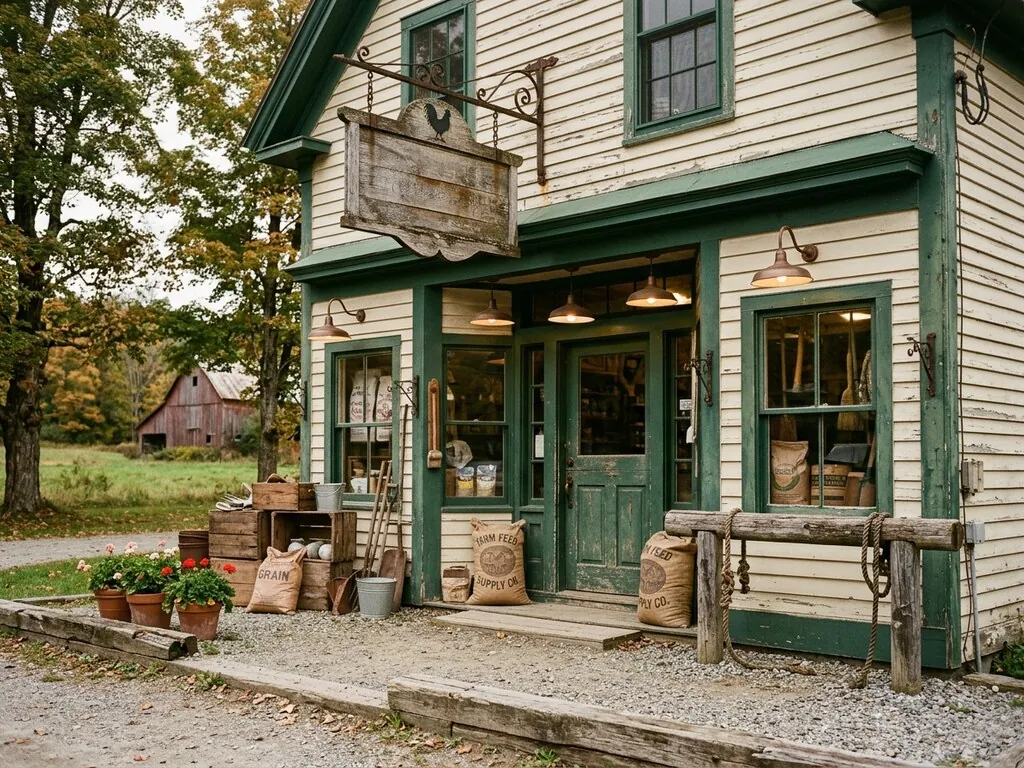
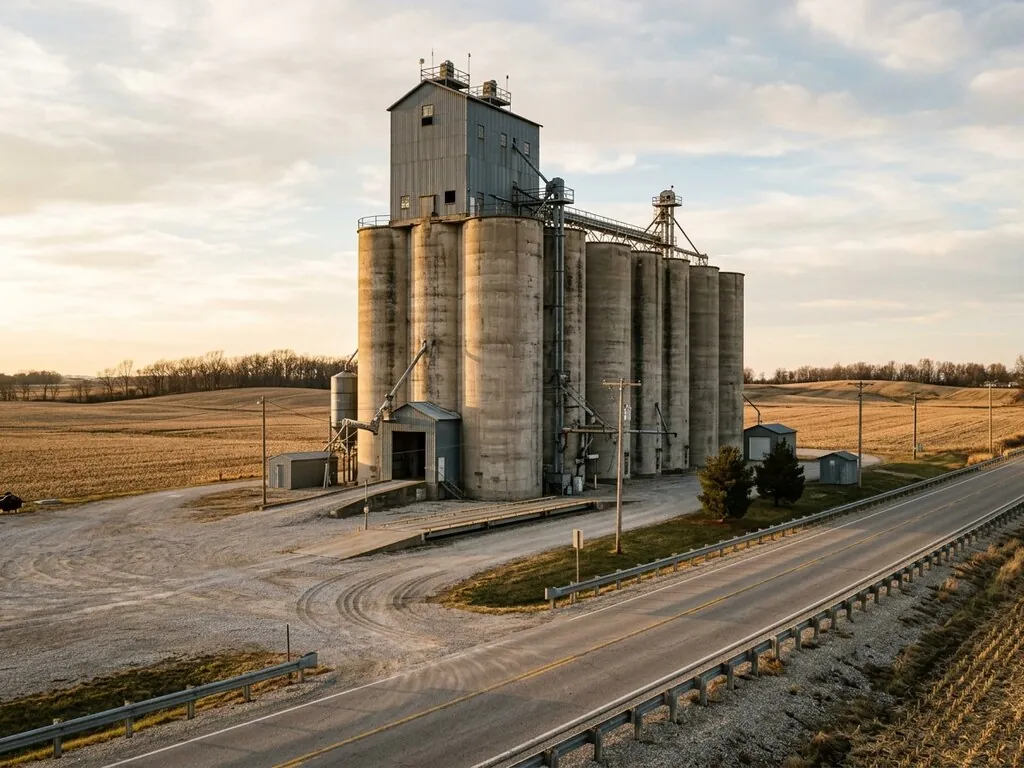
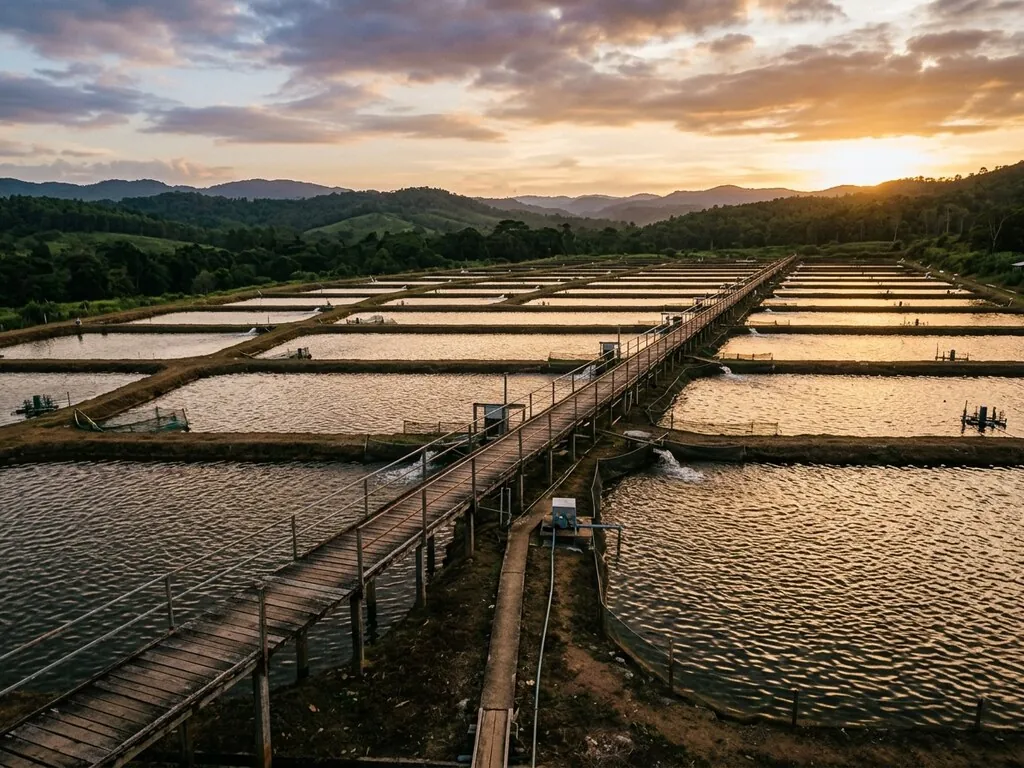
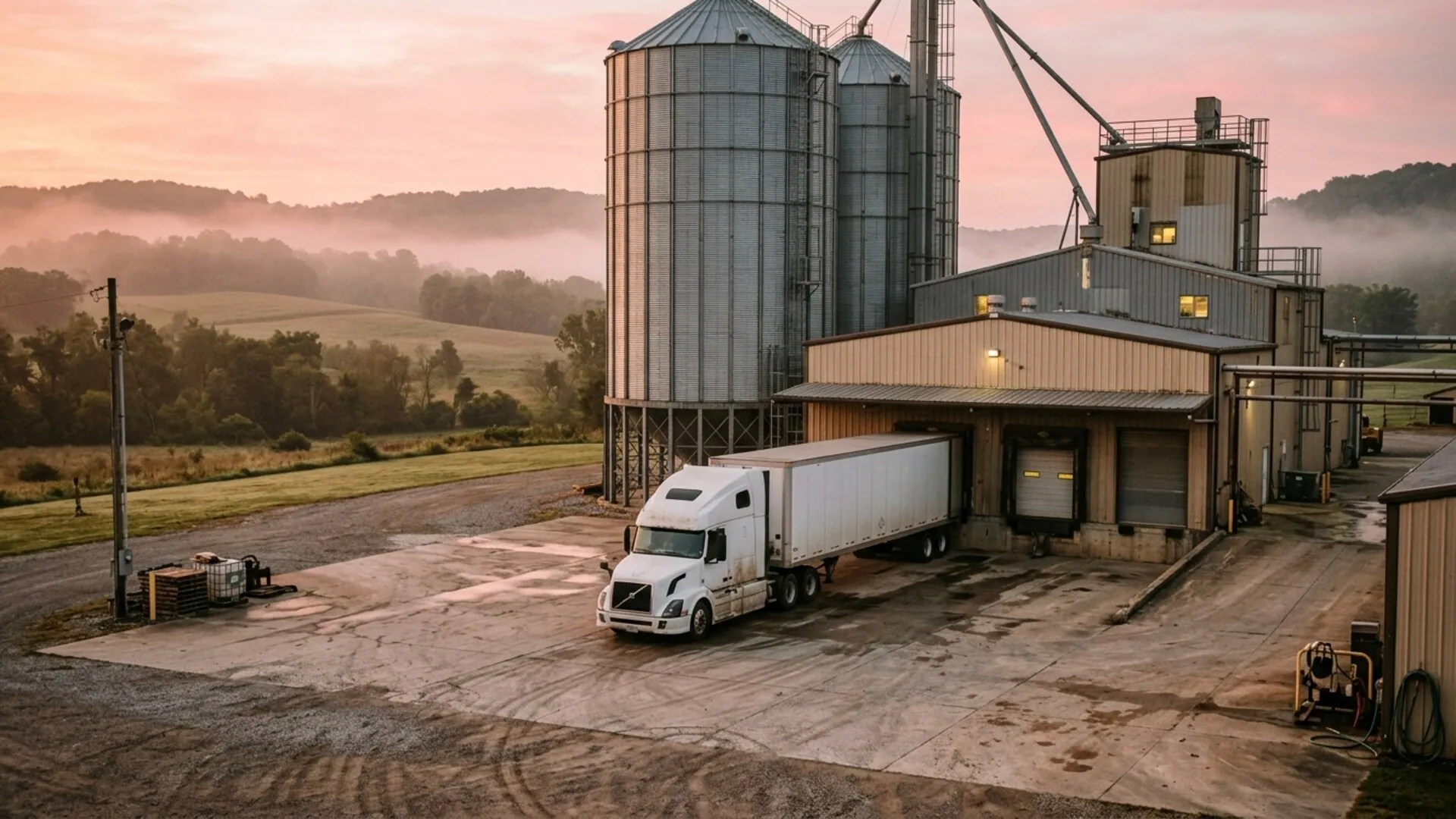
A composite view of feed mills, retail stores, and livestock operations representing the feed industry buyer landscape

Who Buys Feed Products

The feed industry has six distinct buyer channels, each with its own decision makers, purchase cycles, and evaluation criteria. Knowing which channel your product actually fits is the most undervalued skill in feed-industry go-to-market.
Six channels, very different buyers

The feed industry is not a single market with a single decision maker. It is six loosely connected buyer networks — integrators, mills, retailers, co-ops, specialty channels, and aquaculture producers — each with its own economics, technical gatekeepers, and relationship cadence. A product that belongs in a veterinary shelf conversation is not the same product that belongs in a commercial mill RFP, even if the underlying formulation is identical.

The channels below are listed in roughly descending order of volume per account and ascending order of brand sensitivity. Pick the one closest to where your product creates obvious, documentable value, and build from there.

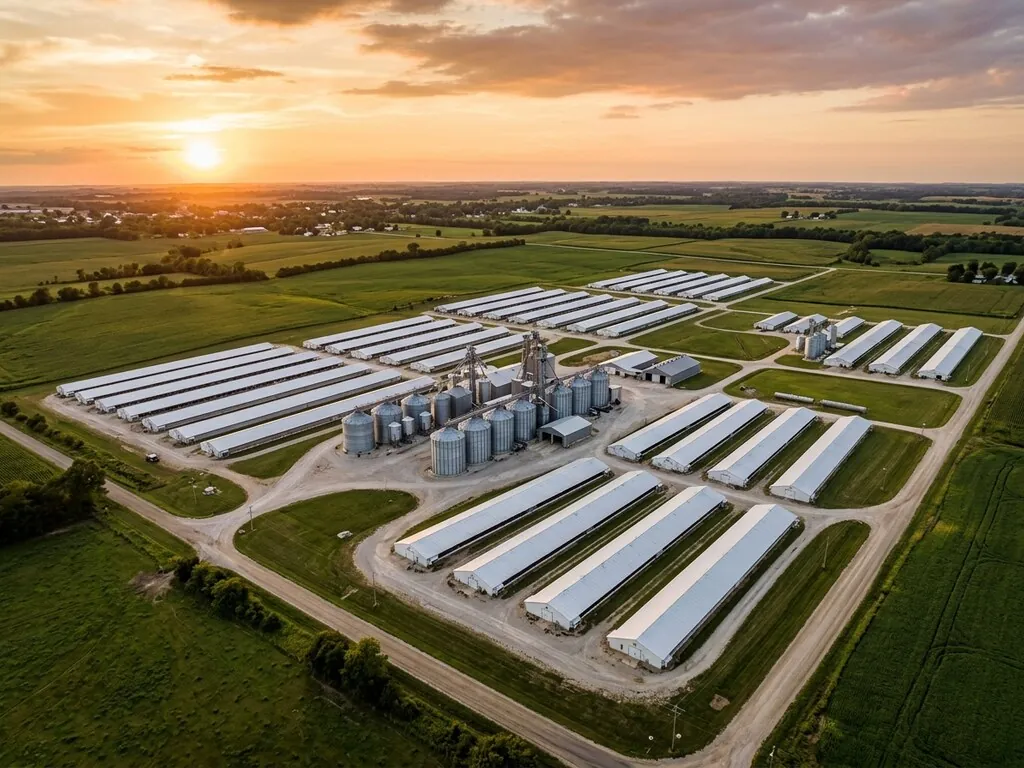
Large integrated poultry and swine operation with feed mill, barns, and transport trucks

Integrated Livestock Operators

The vertically integrated poultry and pork companies that own the bird or hog, the feed mill, and often the processing plant. They are the largest and most technically demanding feed buyers in North America. Decisions are made by in-house nutritionists against measurable performance metrics — feed conversion, mortality, uniformity, dressing percentage — and purchase orders are built on trial data, not pitch decks. Access is hard, but a successful integrator relationship is the most valuable one in the industry.

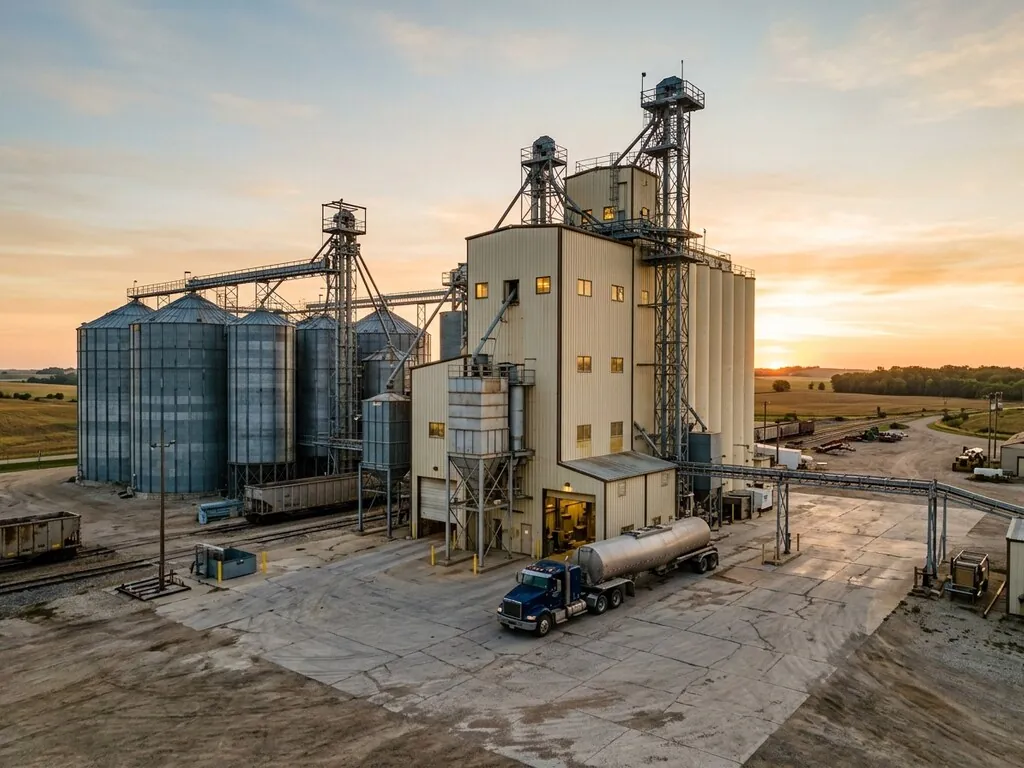
A commercial feed mill with silos, pelleting equipment, and loading dock

Commercial Feed Manufacturers

The independent and regional feed mills that formulate and produce finished feed for a range of customers — local dairy farms, feedlots, specialty producers, and private-label brands. Mills buy ingredients, premixes, additives, and packaging at scale and make daily decisions on ingredient substitution based on cost and availability. A mill relationship means recurring, high-volume orders once your product passes technical evaluation and fits the formulation.

A farm and feed retail store with shelves of branded feed bags and supplies

Farm & Feed Retailers

Chain and independent retail stores that sell packaged feed, supplements, minerals, fencing, clothing, and rural lifestyle goods to hobby farmers, small producers, and equine owners. This is the channel closest to the consumer and the most brand-sensitive. Packaging, shelf presence, regional fit, and dealer-level merchandising matter more here than in any other channel.

A rural farmer co-operative building with dealer signage and feed bags on pallets

Co-ops & Dealers

Farmer-owned cooperatives and independent dealers that aggregate demand, buy at better terms, and serve producers in a defined geography. Co-ops typically carry both branded and private-label feed, and they are a common route to market for regional brands that want to scale without building a national distribution network. Relationships are long-term and built on consistency.

A veterinary clinic with specialty feeds and therapeutic products on shelves

Vet & Specialty Channels

Veterinary clinics, equine specialty stores, pet-adjacent retailers, and performance-animal outlets. Lower volume than retail but higher margin, more technical conversation, and closer to the end user's decision. A strong fit for therapeutic, senior, performance, and specialty nutrition products where professional recommendation drives purchase.

Aquaculture production facility with tanks, feed bins, and species-specific diets

Aquaculture Producers

Commercial fish and shrimp farming operations across salmon, trout, catfish, tilapia, and shrimp, plus specialty species. Aquaculture feed is one of the fastest-growing and most technically demanding segments of the category. Buyers are looking for protein alternatives, improved feed conversion, environmental performance, and reliable supply at production scale.

Additional institutional buyers

Beyond the six core channels are important institutional accounts that shape the category. Universities, agricultural schools, and extension programs conduct trial work, publish adoption-driving research, and often operate teaching herds and flocks that buy commercial feed. Export-oriented agricultural businesses — trading houses, container shippers, specialty genetics companies — move significant volumes of feed, premixes, and ingredients across borders. Government and research facilities buy feed for regulated species work.

None of these are a first commercial channel, but they are critical amplifiers. A positive Land Grant University trial writeup or a USDA research publication is the kind of credibility that opens doors in the core buyer channels above.

Ready to Enter the Feed Business?

Tell us about your product, ingredient, equipment, or service — we'll help you find the right path into the animal feed industry.