Ingredients & Additives
Feed is built from commodities, concentrates, and functional ingredients. Knowing where your product sits in the ingredient stack — and how nutritionists evaluate it — is the difference between a concept and a purchase order.
Feed is built from commodities, concentrates, and functional ingredients. Knowing where your product sits in the ingredient stack — and how nutritionists evaluate it — is the difference between a concept and a purchase order.
A typical finished feed is built from three layers of inputs. The base is commodity grains and protein meals that provide the energy and bulk protein. The middle layer is engineered concentrates — fat blends, processed protein sources, and regulated additives. The top layer is the high-value functional ingredients that determine animal performance, gut health, and product differentiation.
For brands considering where to enter the feed business, this stack is a strategic map. The lower you sit, the more volume and logistics dominate. The higher you sit, the more science, trial data, and specialty channels define the game. Most successful new entrants do not try to compete with Cargill on corn — they find a specialty ingredient that nutritionists already want to use.
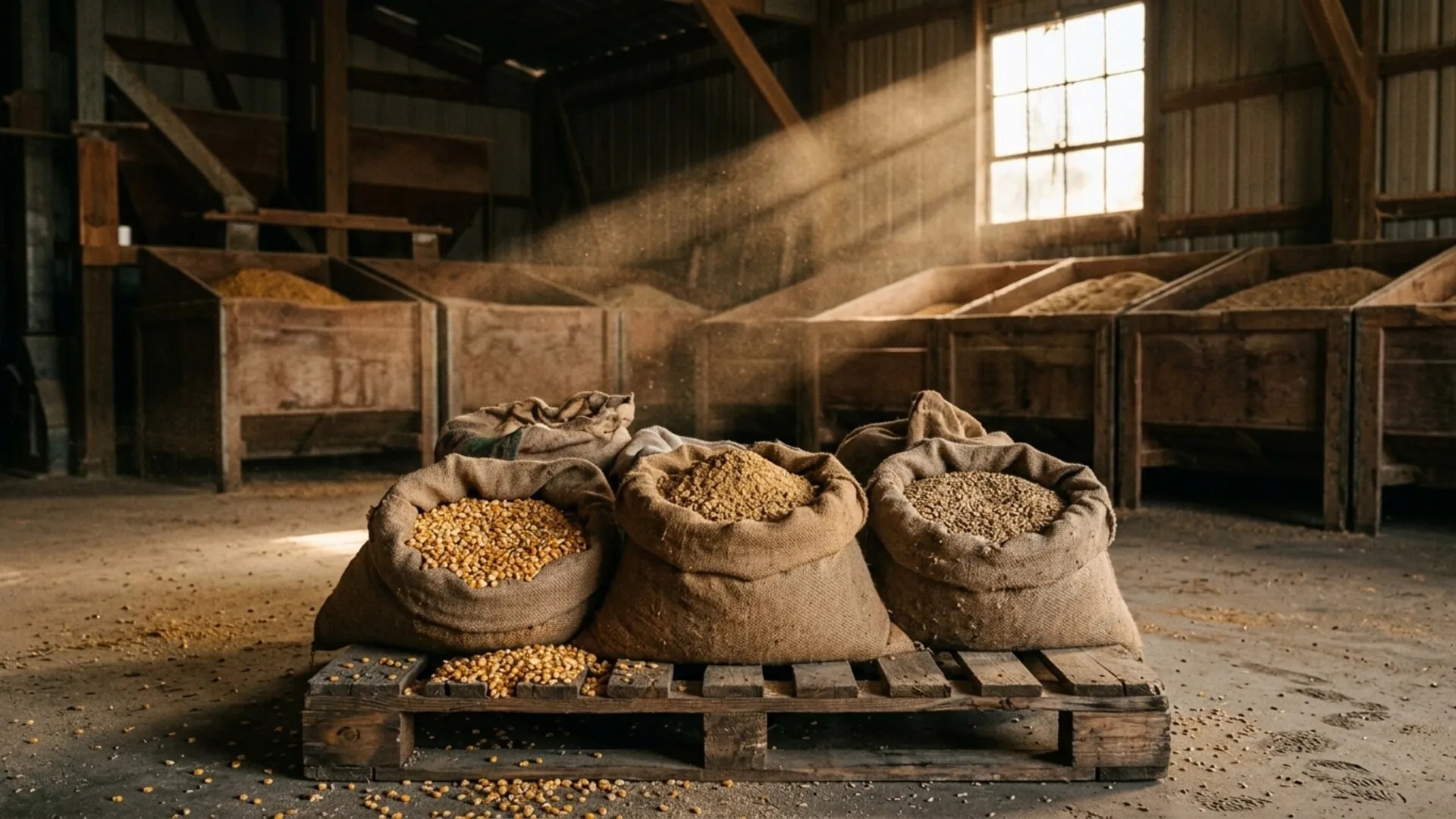
Commodity ingredients form the bulk of most rations by weight. Pricing is set by global markets and regional basis, availability is driven by harvest cycles, and product quality is a function of moisture, mycotoxin load, and handling. This is a logistics and procurement business more than a product business.
The layer above commodity is where most feed innovation happens. These ingredients are used at low inclusion rates but deliver measurable performance, health, and efficiency outcomes. This is where emerging brands can find real entry points — especially those bringing novel chemistry, novel sourcing, or improved trial data.
Alternative proteins have moved from novelty to serious ingredient category. Insect meal — primarily black soldier fly larvae — offers high-quality amino acids with a small production footprint. Microbial and single-cell proteins, produced by fermentation of bacteria, yeast, or algae, are scaling into commercial aquaculture and pet-adjacent diets. Both categories promise reduced pressure on fish meal and soybean supply chains and open a new lane for sustainability-focused brands.
Adoption is real but gated by price parity, consistency of supply, and regulatory approval by species and jurisdiction. Brands entering this space need a clear story about economic equivalence, supply stability, and a specific species application where the product actually outperforms the incumbent.
A critical decision for new entrants: are you an ingredient supplier selling into feed manufacturers, or a finished-feed brand selling directly to farms, retailers, or co-ops? The two business models share a category but operate very differently. Ingredient suppliers sell on spec, data, and inclusion economics. Finished-feed brands sell on story, packaging, species expertise, and channel relationships.
Many companies move between the two over time — starting as a private-label manufacturer and later launching a branded product, or starting as a finished brand and later licensing the functional ingredient to larger mills. Understanding which mode you are actually in today is essential to getting the positioning right.
Tell us about your product, ingredient, equipment, or service — we'll help you find the right path into the animal feed industry.