Part of the Farm and Feed Network — education, channel access, and industry connections for emerging feed brands.
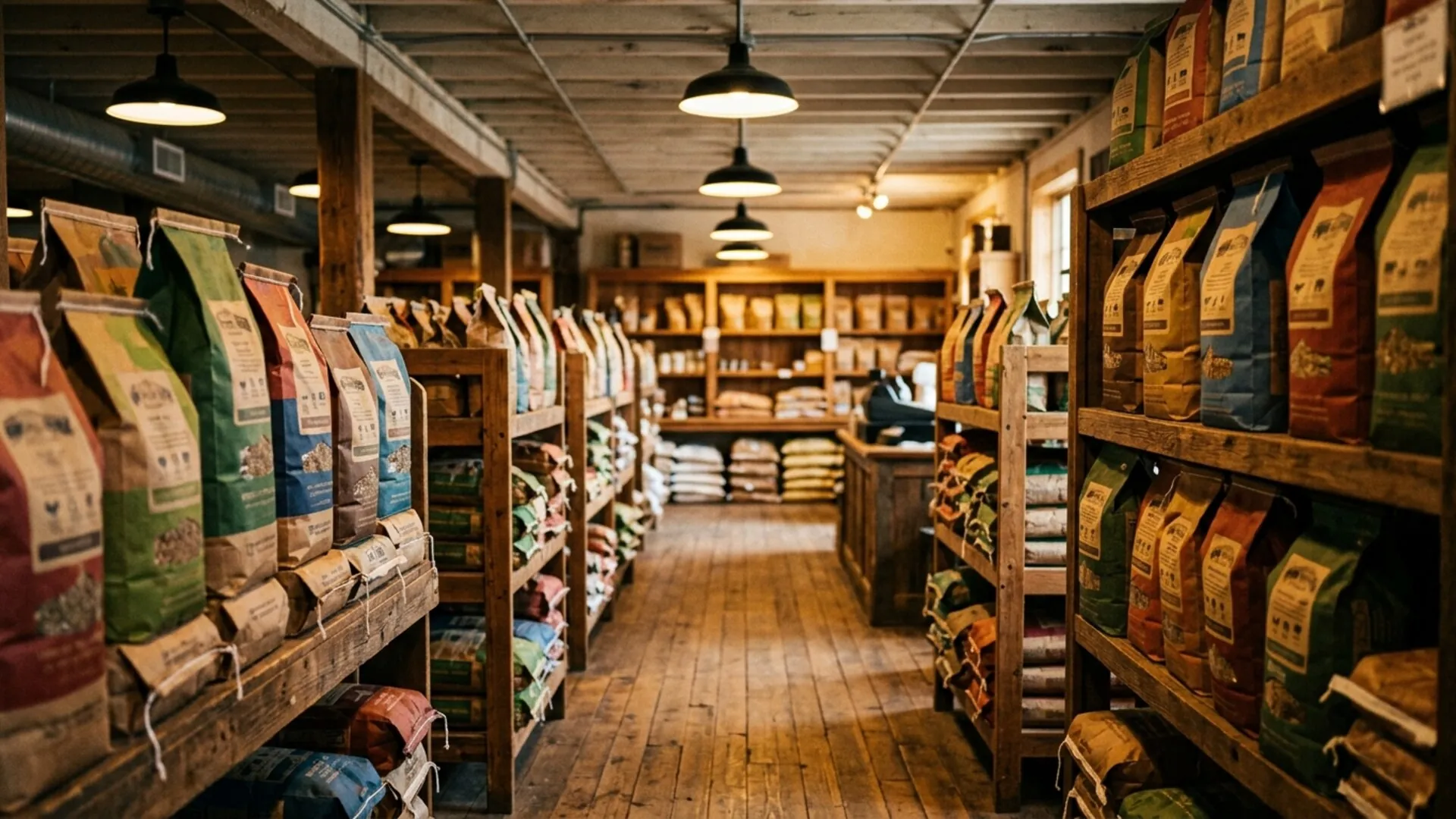
Aisle of a farm and feed store with branded feed bags neatly stacked and merchandised

Selling Into Farm & Feed Retail

The farm and feed retail channel is the most brand-sensitive and most consumer-facing corner of the feed business. Winning here is a craft built out of packaging, merchandising, seasonality, and education — not just nutrition spec.

Retail is the consumer-facing feed channel

Farm and feed retail is where the buyer of a feed product is also the end user. The backyard chicken keeper, the small flock owner, the horse owner, the acreage hobby farmer — they walk the aisle, read the bag, and make a purchase decision on the spot. That is a very different commercial dynamic than selling to a feed mill or an integrator, and it rewards very different skills.

For emerging brands, retail is often the most accessible starting channel because the buyer relationship is more transactional and the trial scale is smaller. It is also, paradoxically, the channel where a weak brand identity or a wrong pack size gets punished most quickly. A clean, technically sound bag that nobody reaches for on the shelf produces zero sales regardless of nutritional merit.

Pack sizes and merchandising

The U.S. farm retail shelf has converged on a relatively small set of common pack sizes — 50 lb bags for most poultry and livestock feed, 40 lb for many specialty and equine products, 25 lb and smaller for supplement and mineral products. Unusual pack sizes create logistical friction for the retailer and shelf confusion for the consumer. Deviating from the norm requires a reason, and that reason needs to be obvious on the bag.

Merchandising is about shelf placement, endcap visibility, cross-sells, and the physical behavior of your packaging. A bag that does not stack flat, tears at the seam, or fades in sunlight creates real costs for the store. A bag that photographs well for social media, explains itself in three seconds, and matches the store's aesthetic gets repeat shelf space.

Seasonality and regional fit

Farm retail runs on seasonal cycles. Chick days in early spring drive poultry starter and medicated feed sales. Breeding-bird and game-bird products peak late summer. Equine performance feeds spike ahead of show season. Senior-horse and cold-weather products move in fall. Minerals and protein tubs respond to forage quality cycles. Planning promotional calendars, demo schedules, and new-item launches against these seasonal patterns is table stakes.

Regional product fit is equally important. Species mixes, climate, forage quality, and cultural preferences shift by region. A southeast broiler-oriented feed lineup does not map cleanly onto a northern-plains beef and dairy territory. Strong retail brands understand their regions individually and resist the temptation to force a national SKU list on every dealer.

Private label and dealer programs

Private label is a major path to shelf space. Retailers and co-ops often prefer a private-label program because it offers better margin, less competition for attention, and a story they can control. For contract manufacturers and formulation-capable brands, private label is a viable commercial model that trades brand equity for volume and repeat orders.

Dealer programs are the formal way branded manufacturers maintain relationships with their retailers — volume rebates, co-op advertising, training, merchandising kits, and spiff or promotional support. A thoughtful dealer program is the difference between a brand that shows up on the shelf and a brand that gets recommended from behind the counter.

Education-based selling and event support

The retail shopper, especially in the backyard, hobby, and equine segments, is information-hungry. They read the bag. They ask the clerk. They watch tutorial videos before they buy. Brands that invest in education — species guides, feeding-program cards, QR codes to video explainers, training for retail staff — convert better and build loyalty that survives price shocks.

Point-of-sale support, live demo events, chick-day programming, field-day partnerships, and local 4-H or equine club sponsorships all perform in this channel. The retailers watch which brands show up to staff the store on a busy Saturday, and they remember.

Topics every retail-bound brand should plan

Ready to Enter the Feed Business?

Tell us about your product, ingredient, equipment, or service — we'll help you find the right path into the animal feed industry.