Part of the Farm and Feed Network — education, channel access, and industry connections for emerging feed brands.
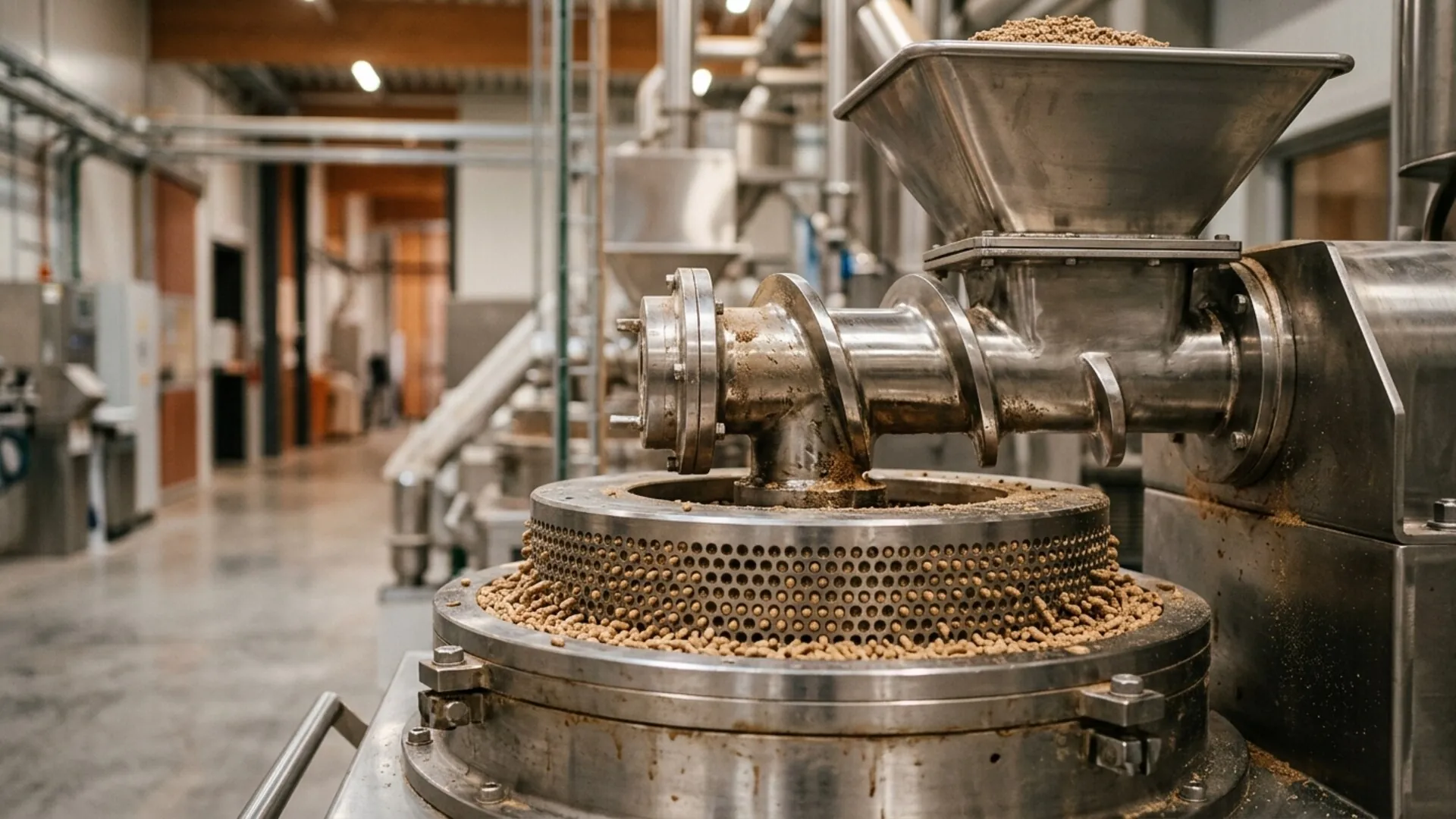
A composite view of packaging machinery, lab testing equipment, and logistics operations serving the feed industry

Feed Industry Services

Not every company in the feed business sells feed. Packaging, equipment, testing, software, logistics, and consulting companies are all critical suppliers to feed mills, brands, and integrators — and each represents a legitimate entry point into the category.

Services are the other half of the feed business

Behind every bag of feed, every loaded rail car of bulk ingredient, and every formulated ration is an ecosystem of service companies that actually make the category work. These businesses do not always get the attention that integrators and feed brands do, but they are where a significant share of real industry revenue lives — and they are often the smartest first entry point for a company that does not plan to manufacture feed itself.

The sections below map the major service categories, the kinds of customers they serve, and the commercial patterns that define each one. If you are a packaging company, an equipment manufacturer, a testing lab, a software firm, a logistics provider, a consultant, a sustainability service, or an R&D partner, the feed industry is buying what you sell — you simply have to find the right decision maker.

Packaging suppliers

The feed industry consumes enormous volumes of woven polypropylene sacks, multi-wall paper bags, flexible intermediate bulk containers, bulk bags, and custom retail packaging. Packaging suppliers sell into feed mills, private-label manufacturers, and branded feed companies. Competitive sourcing revolves around printability, strength, resealability, freight efficiency, and increasingly on recyclability and reduced plastic content. A packaging supplier entering the feed category needs a clear story about durability at the pellet mill, print quality for retail shelves, and reliable lead times.

Equipment makers

Feed mills are capital-intensive facilities full of specialized machinery — hammermills, pellet mills, coolers, conditioners, batch mixers, extruders, bulk handling systems, bagging lines, and scales. Equipment manufacturers sell into new mill builds, capacity expansions, retrofits, and replacement cycles. Sales cycles are long, purchase orders are large, and technical service commitments run for a decade. Brands in this lane compete on throughput, energy efficiency, product quality, and the depth of their service network.

Ingredient testing labs

Nutrient analysis, mycotoxin screening, pathogen testing, amino acid profiling, and ingredient verification are continuous needs across the feed supply chain. Testing labs serve ingredient suppliers, feed manufacturers, integrators, and regulatory compliance teams. Lab service is increasingly tied to fast turnaround, NIR calibration, and integration with mill ERP and formulation systems. For a new analytical services company, the opportunity is in specialization, speed, and clean data handoff rather than generic wet chemistry.

ERP, formulation, and software

Modern feed mills run on integrated ERP, batching and process control software, least-cost formulation tools, and increasingly on IoT sensors and AI-assisted optimization. The software layer is where a lot of current innovation is happening — precision nutrition dashboards, real-time ingredient variability tracking, digital traceability, and carbon-intensity calculators. For software companies, the feed industry is an underdigitized vertical with real appetite for better tools, provided the integrations work with legacy mill hardware.

Logistics providers

Feed is a bulk-heavy, freight-sensitive business. Rail, bulk truck, container, and last-mile farm delivery all touch the category. Specialized logistics providers that understand sanitary handling of feed ingredients, temperature control for sensitive additives, and the rural last-mile routing of farm delivery have real room to compete. Logistics reliability is a top-three procurement factor for most mills and a common reason a new ingredient supplier fails its first commercial run.

Consultants, R&D, and sustainability services

Independent nutritionists, technical services firms, regulatory consultants, trial design and field research groups, and sustainability and traceability service providers all play significant roles in the feed industry. Integrators and mills contract external experts for formulation reviews, ingredient qualification, trial design, and sustainability reporting. For a consulting or services company, the path in is typically through a single technical specialization — a species, a regulatory pathway, a sustainability framework — rather than generalist positioning.

Formulation and R&D support services, including pilot-plant access, trial manufacturing, and small-batch production, are especially valuable to early-stage brands. These partnerships are how many new additives, specialty feeds, and alternative ingredients get from benchtop data to commercial readiness.
Ready to Enter the Feed Business?

Tell us about your product, ingredient, equipment, or service — we'll help you find the right path into the animal feed industry.